AMD is the leading cause of vision loss in Americans over 50. Learn what you can do today to protect your central vision for years to come.
What Is Age-Related Macular Degeneration?
Age-related macular degeneration (AMD) is a disease that affects the macula — the small central portion of the retina responsible for sharp, detailed central vision. AMD is the leading cause of severe vision loss in people over age 50 in the United States.
Types of AMD
Dry AMD (Atrophic)
The most common form, accounting for 85-90% of cases. Characterized by the gradual breakdown of light-sensitive cells in the macula. Progresses slowly over years.
Stages:
- •Early AMD: Small drusen (yellow deposits under the retina). No vision loss.
- •Intermediate AMD: Larger drusen and/or pigment changes. May have mild vision loss.
- •Late AMD: Significant central vision loss.
Wet AMD (Neovascular)
Less common but more severe. Abnormal blood vessels grow under the retina and leak fluid or blood, causing rapid and severe vision loss. Requires prompt treatment.
Risk Factors
- •Age: Risk increases significantly after age 50
- •Smoking: Doubles the risk of AMD — the most modifiable risk factor
- •Family history: Having a first-degree relative with AMD increases risk
- •Race: More common in Caucasians
- •Cardiovascular disease: Heart disease and high blood pressure are associated with AMD
- •Obesity: Increases risk of progression from early to advanced AMD
- •Diet: Low intake of antioxidants and omega-3 fatty acids
Warning Signs
AMD often has no symptoms in early stages. As it progresses:
- •Blurry or fuzzy central vision
- •Straight lines appearing wavy or distorted
- •A blurry or blind spot in the center of vision
- •Colors appearing less vivid
- •Difficulty reading or recognizing faces
The Amsler Grid Test
A simple home monitoring tool for AMD. Look at the grid with each eye separately — if lines appear wavy, distorted, or missing, contact your eye doctor immediately.
Prevention Strategies
Lifestyle Modifications
1. Stop smoking: The single most important thing you can do
2. Eat a Mediterranean-style diet: Rich in leafy greens, fish, nuts, and olive oil
3. Exercise regularly: Reduces risk of progression
4. Maintain healthy blood pressure and cholesterol
5. Wear UV-blocking sunglasses: Protect your eyes from sun damage
Nutritional Supplements (AREDS2 Formula)
For people with intermediate AMD or advanced AMD in one eye, the AREDS2 supplement formula has been shown to reduce the risk of progression by 25%:
- •Vitamin C (500 mg)
- •Vitamin E (400 IU)
- •Lutein (10 mg)
- •Zeaxanthin (2 mg)
- •Zinc (80 mg)
- •Copper (2 mg)
Consult your doctor before starting any supplement regimen.
Treatment for Wet AMD
Anti-VEGF Injections
Medications such as ranibizumab (Lucentis), aflibercept (Eylea), and bevacizumab (Avastin) are injected into the eye to inhibit abnormal blood vessel growth. These treatments have revolutionized the management of wet AMD and can stabilize or even improve vision in many patients.
The Importance of Regular Monitoring
Annual comprehensive eye exams with retinal imaging are essential for early detection of AMD. At ProVision Eye Associates, we use:
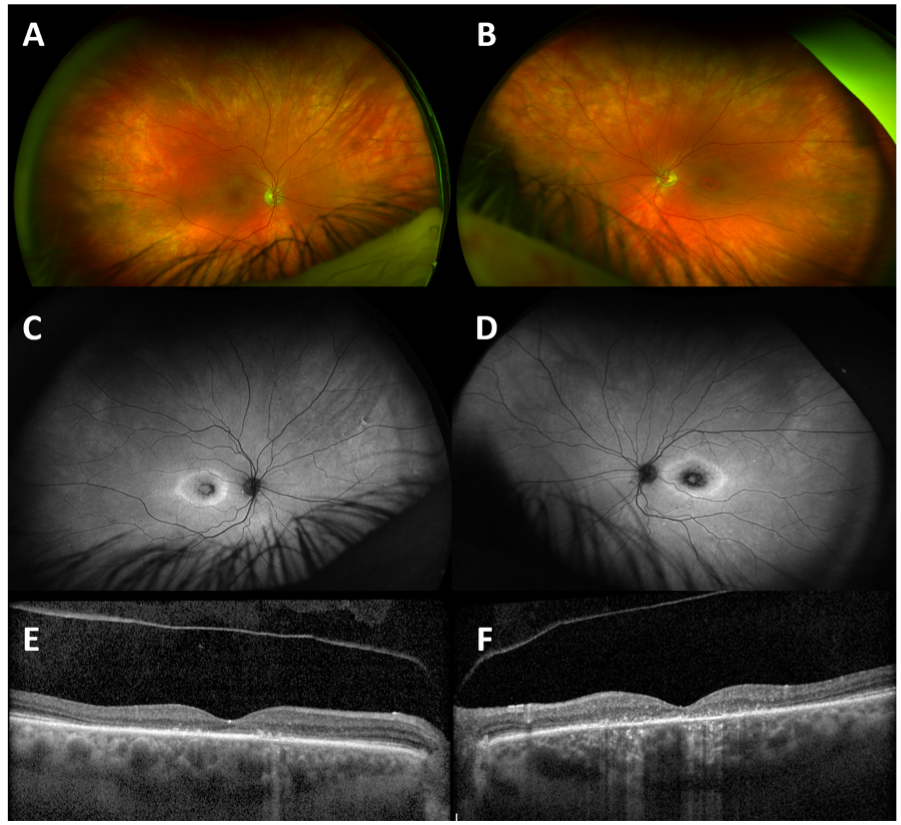
- •Optical Coherence Tomography (OCT): Detailed cross-sectional retinal imaging
- •Fundus Photography: Documents changes over time
- •Fluorescein Angiography: When needed, maps blood vessel activity
Protect your central vision. Schedule your comprehensive eye exam at ProVision Eye Associates today.