School vision screenings catch only the most obvious distance vision problems — they miss farsightedness, convergence insufficiency, color vision deficiency, and early eye disease. Here's what a comprehensive eye exam actually checks.
The Difference Between a Screening and an Exam
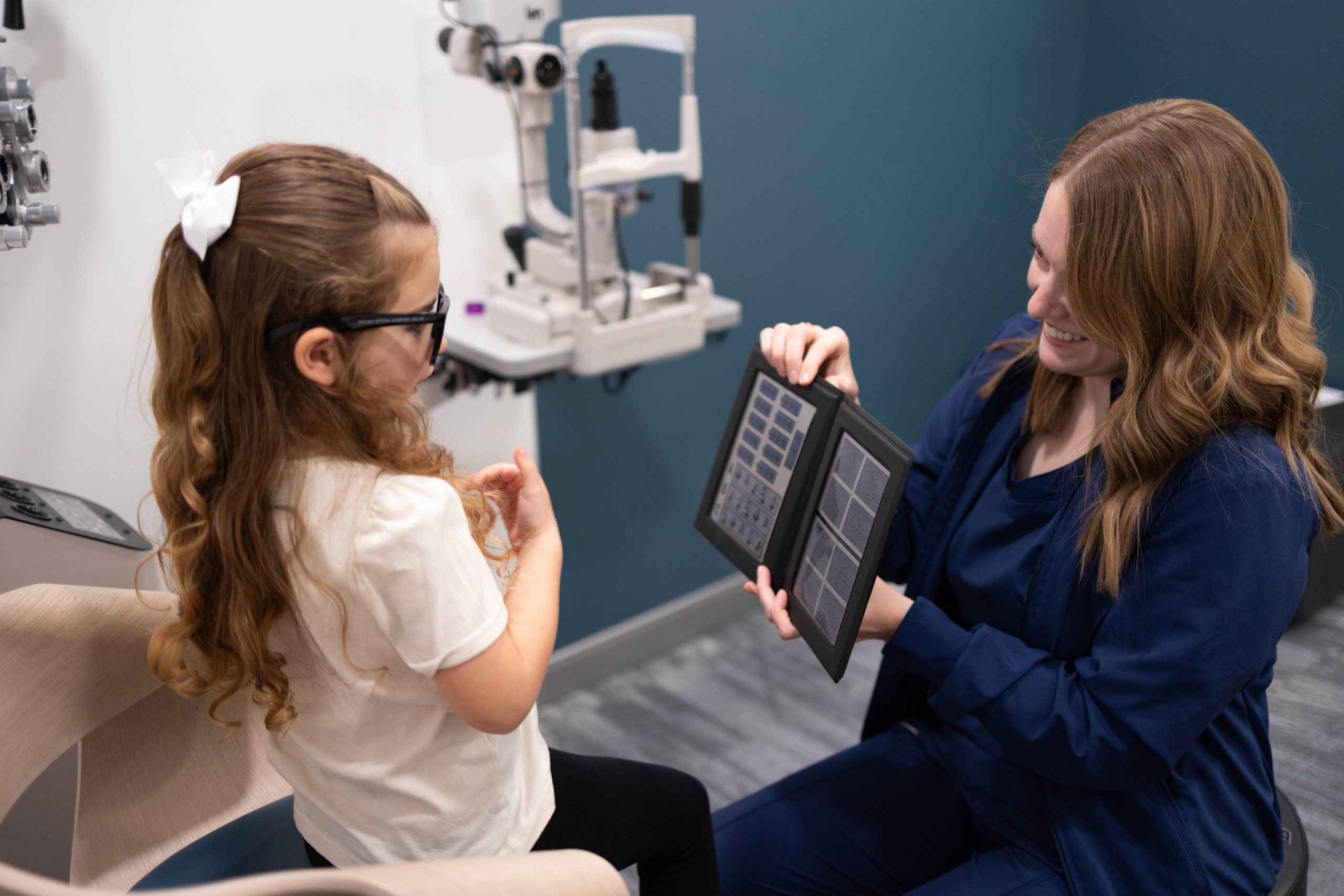
Every year, millions of American children receive a "vision screening" at school — a brief test using an eye chart that checks whether they can see the 20/20 line at 20 feet. Parents who receive a passing result often assume their child's vision has been checked and is fine. Unfortunately, this assumption is wrong in a significant number of cases.
A vision screening is not a comprehensive eye exam. It is a quick filter designed to catch the most obvious cases of reduced distance vision. It does not evaluate near vision, eye coordination, focusing ability, color vision, eye health, or the dozens of other visual skills that children need to learn effectively.
What a Comprehensive Eye Exam Tests
| Test | What It Checks | Why It Matters |
|---|---|---|
| Distance visual acuity | Clarity at 20 feet | Basic distance vision |
| Near visual acuity | Clarity at reading distance | Reading, homework, tablets |
| Refraction | Exact prescription | Corrects blur at all distances |
| Cover test | Eye alignment and strabismus | Prevents amblyopia |
| Convergence testing | Eye teaming at near | Reading endurance, attention |
| Accommodative testing | Focusing flexibility | Blur after near work |
| Stereoacuity | Depth perception | Sports, spatial awareness |
| Color vision | Color discrimination | Learning, career planning |
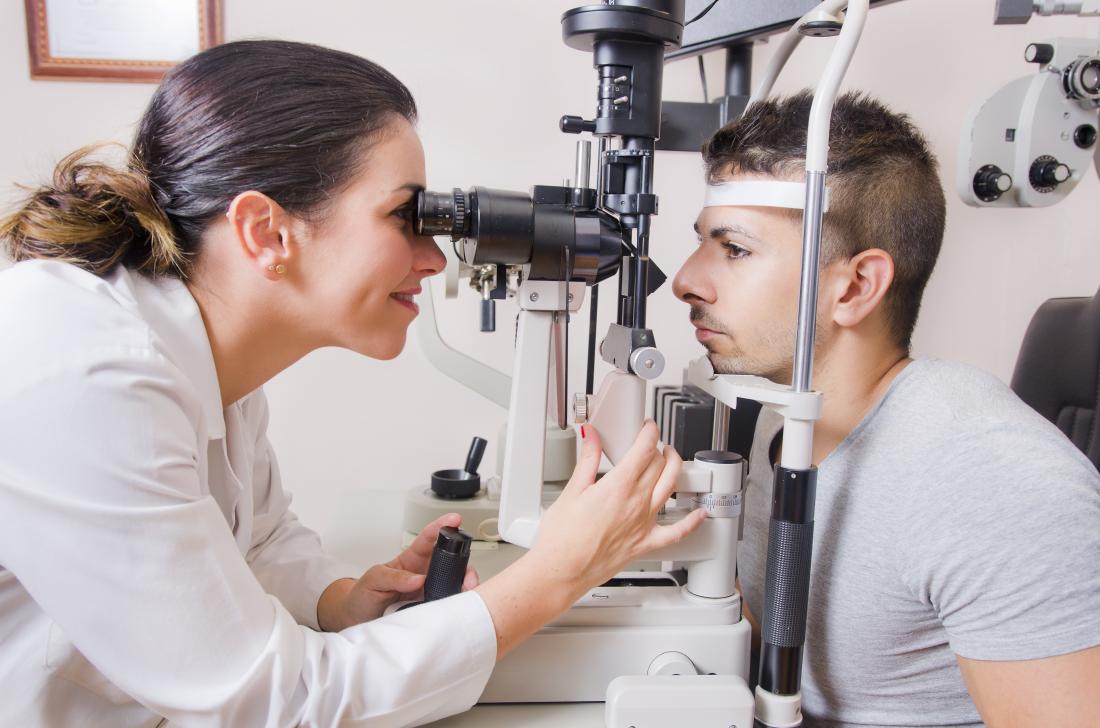
| Slit lamp exam | Cornea, lens, anterior eye health | Detects cataracts, infections |
| Dilated fundus exam | Retina, optic nerve, macula | Detects glaucoma, retinal disease |
The Hidden Problems Screenings Miss
Farsightedness (hyperopia), [convergence insufficiency](/blog/convergence-insufficiency-binocular-vision-blue-bell-pa), amblyopia (lazy eye), color vision deficiency, and early eye disease are all completely invisible to a standard vision screening. A child can pass the 20/20 screening and still have any of these conditions.
When Should Children Have Their First Eye Exam?
The American Optometric Association recommends a first exam at 6–12 months (InfantSEE program), an exam at age 3, an exam before starting kindergarten (age 5–6), and annual exams throughout school age — especially important for children with myopia, learning difficulties, or a family history of eye disease.
Schedule a Comprehensive Eye Exam in Blue Bell, PA
ProVision Eye Associates provides comprehensive eye exams for patients of all ages. We serve Blue Bell, Lansdale, Ambler, Horsham, Doylestown, and the surrounding Montgomery County communities.
[Schedule your comprehensive eye exam today](/schedule). Don't let a passing screening give you a false sense of security.