OptiLight by Lumenis is the only FDA-approved IPL treatment for dry eye disease. Learn how it works, who it's for, and what the treatment experience is like at our Blue Bell, PA practice.
What Is IPL OptiLight Therapy?
OptiLight by Lumenis is an FDA-approved Intense Pulsed Light (IPL) treatment specifically indicated for dry eye disease caused by meibomian gland dysfunction (MGD). It is the first and only IPL device with this FDA clearance.
At ProVision Eye Associates in Blue Bell, PA, we use the OptiLight system as part of our comprehensive dry eye treatment program — often combined with meibomian gland expression, Forma-I radiofrequency, and Celluma LLLT for maximum results.
How Does IPL Work for Dry Eye?
IPL delivers precise, controlled pulses of light to the skin below the lower eyelids. This light energy works through several mechanisms:
Reducing Abnormal Blood Vessels
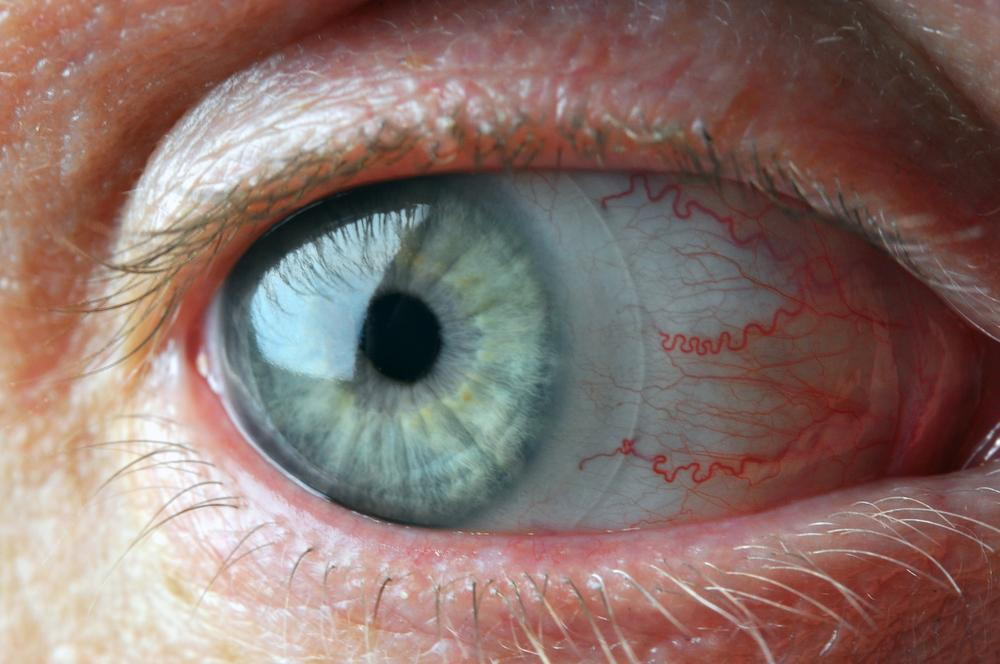
In patients with MGD and rosacea-related dry eye, abnormal telangiectatic blood vessels around the eyelids release pro-inflammatory mediators that damage meibomian glands. IPL selectively destroys these vessels, reducing the inflammatory load.
Warming Meibomian Glands
The light energy gently heats the meibomian glands, liquefying thickened, waxy meibum (oil) that has become too viscous to flow normally. This improves gland expressibility and oil quality.
Reducing Demodex
IPL has been shown to reduce Demodex mite populations on the eyelids — an important benefit given the strong association between Demodex and MGD.
Modulating the Inflammatory Cycle
By targeting the root causes of inflammation rather than just managing symptoms, IPL can break the chronic inflammatory cycle that perpetuates dry eye disease.
Who Is a Good Candidate for IPL?
IPL OptiLight is most effective for patients with:
- •Evaporative dry eye caused by meibomian gland dysfunction
- •Rosacea-associated dry eye
- •Chronic dry eye that hasn't responded adequately to drops and lid hygiene
- •Telangiectatic blood vessels visible near the eyelid margins
IPL is not appropriate for patients with: very dark skin tones (Fitzpatrick types V–VI), active skin infections near the treatment area, or certain photosensitizing medications.
What to Expect During an IPL Treatment
Before Treatment
- •Arrive with clean skin — no makeup, sunscreen, or moisturizer on the treatment area
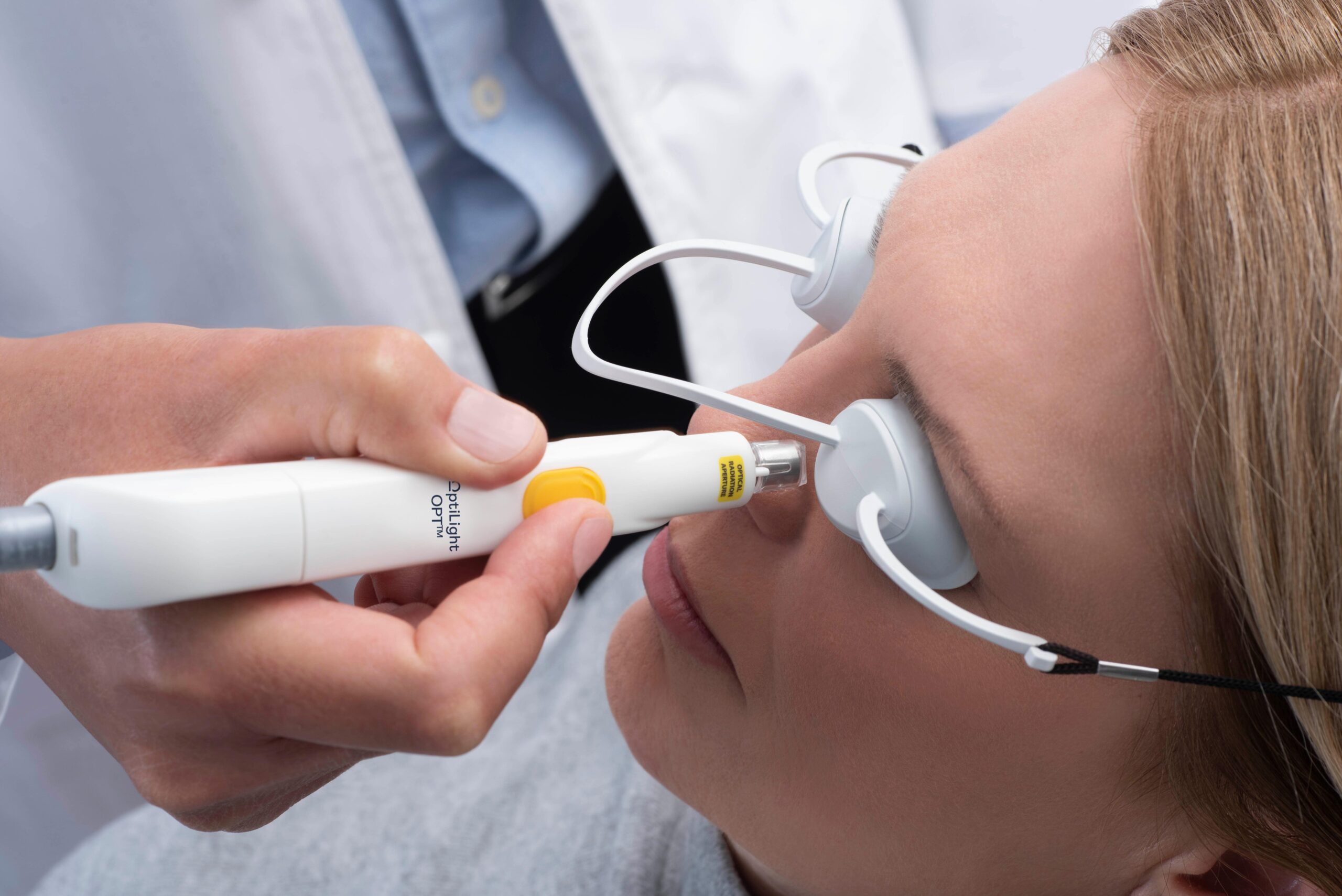
- •We apply a thin layer of coupling gel to the treatment zone
- •Protective eye shields are placed over your eyes
During Treatment
- •The OptiLight handpiece delivers a series of light pulses below each eye
- •Most patients describe a warm snapping sensation — similar to a rubber band flick
- •Each session takes approximately 15–20 minutes
After Treatment
- •Mild redness may appear for a few hours
- •Avoid sun exposure and use SPF 30+ for 2 weeks post-treatment
- •Most patients notice improvement in comfort and tear quality within 1–2 weeks
How Many Sessions Are Needed?
The standard OptiLight protocol is 4 sessions spaced 2–4 weeks apart. Most patients achieve significant improvement after the full series. Maintenance sessions every 6–12 months help sustain results.
IPL as Part of a Comprehensive Dry Eye Plan
At ProVision, we rarely use IPL in isolation. For optimal results, we combine it with:
- •Meibomian gland expression (performed immediately after IPL while glands are warm)
- •Forma-I RF therapy for additional thermal gland stimulation
- •Celluma LLLT for anti-inflammatory photobiomodulation
- •Prescription dry eye medications as needed
Schedule an IPL Consultation in Blue Bell, PA
If you've been struggling with chronic dry eye and haven't found lasting relief, IPL OptiLight may be the treatment you've been looking for. Call ProVision Eye Associates at (215) 628-2020 or book your consultation online. We serve Blue Bell, Ambler, North Wales, Lansdale, Montgomeryville, Plymouth Meeting, and all of Montgomery County, PA.