Glaucoma is the leading cause of irreversible blindness worldwide — and most people have no symptoms until significant vision is lost. Learn how we detect and manage glaucoma in Blue Bell, PA.
The Silent Thief of Sight
Glaucoma is often called the "silent thief of sight" — and for good reason. In its most common form, primary open-angle glaucoma, there are no pain, no redness, and no vision changes until the disease has already caused significant, irreversible damage to the optic nerve.
By the time most patients notice something is wrong, they've already lost peripheral vision that cannot be recovered. This is why regular comprehensive eye exams — including glaucoma screening — are so critical, even if your vision seems perfect.
At ProVision Eye Associates in Blue Bell, PA, we use advanced diagnostic technology to detect glaucoma at its earliest stages, when treatment is most effective.
Who Is at Risk for Glaucoma?
While anyone can develop glaucoma, certain factors significantly increase your risk:
- •Age over 60 — risk increases dramatically after age 60
- •African American or Hispanic heritage — higher prevalence and earlier onset
- •Family history of glaucoma — first-degree relatives with glaucoma increase your risk 4–9x
- •Elevated intraocular pressure (IOP) — though normal-tension glaucoma also exists
- •Thin central corneal thickness
- •High myopia (nearsightedness)
- •History of eye injury or surgery
- •Diabetes or hypertension
If you have one or more of these risk factors and live in the Blue Bell, Ambler, North Wales, or Montgomery County area, we strongly recommend a comprehensive glaucoma evaluation.
How We Detect Glaucoma at ProVision
Our glaucoma evaluation includes multiple tests that together provide a complete picture of your optic nerve health:
Intraocular Pressure (IOP) Measurement
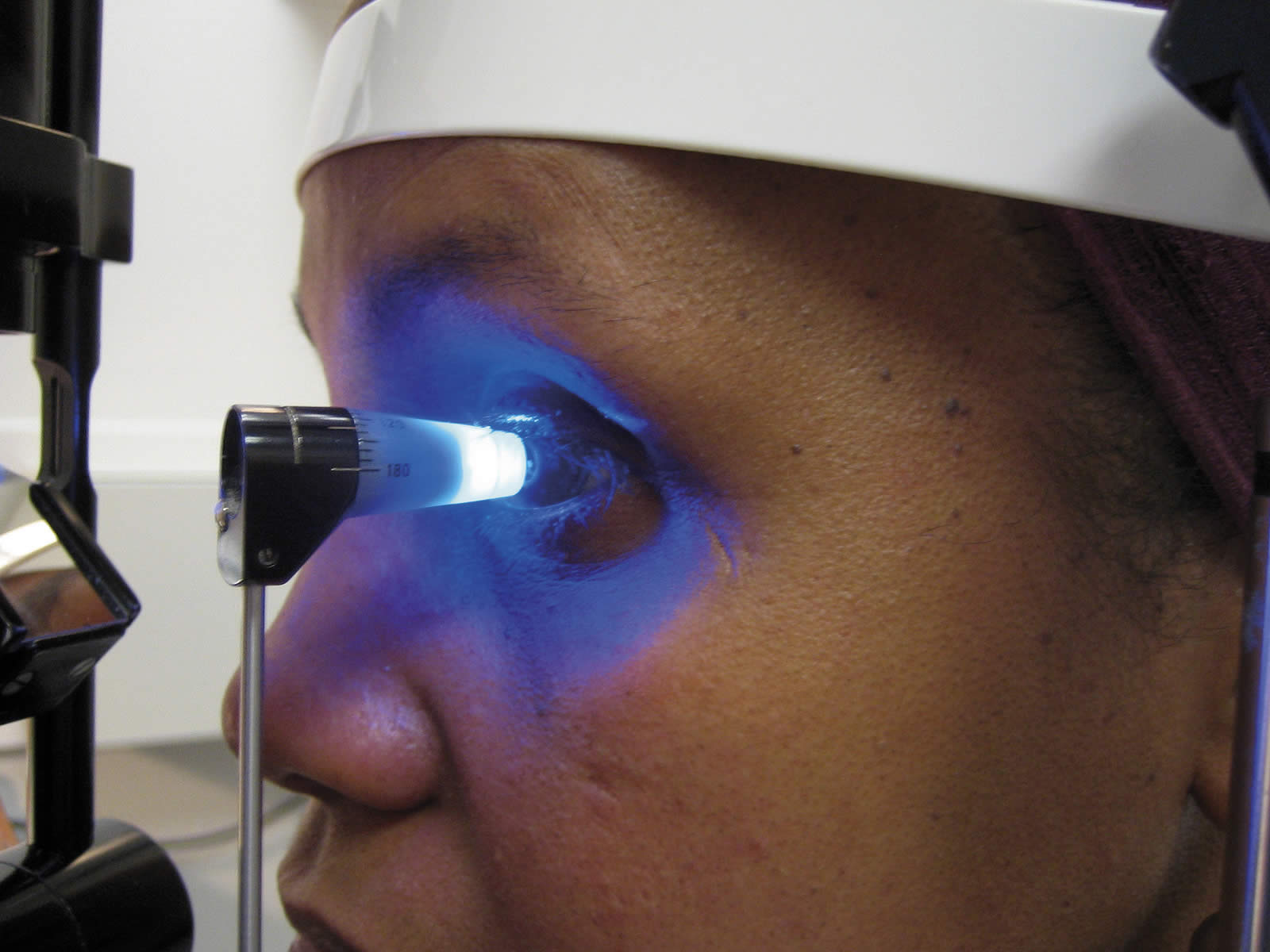
We measure eye pressure using non-contact tonometry and, when indicated, Goldmann applanation tonometry — the gold standard for accurate IOP measurement.
OCT (Optical Coherence Tomography)
Our OCT imaging provides detailed cross-sectional analysis of the optic nerve fiber layer and macula — detecting structural changes that can precede visual field loss by years.
Visual Field Testing
Automated perimetry maps your peripheral vision, detecting the characteristic patterns of visual field loss associated with glaucoma progression.
Optic Nerve Imaging
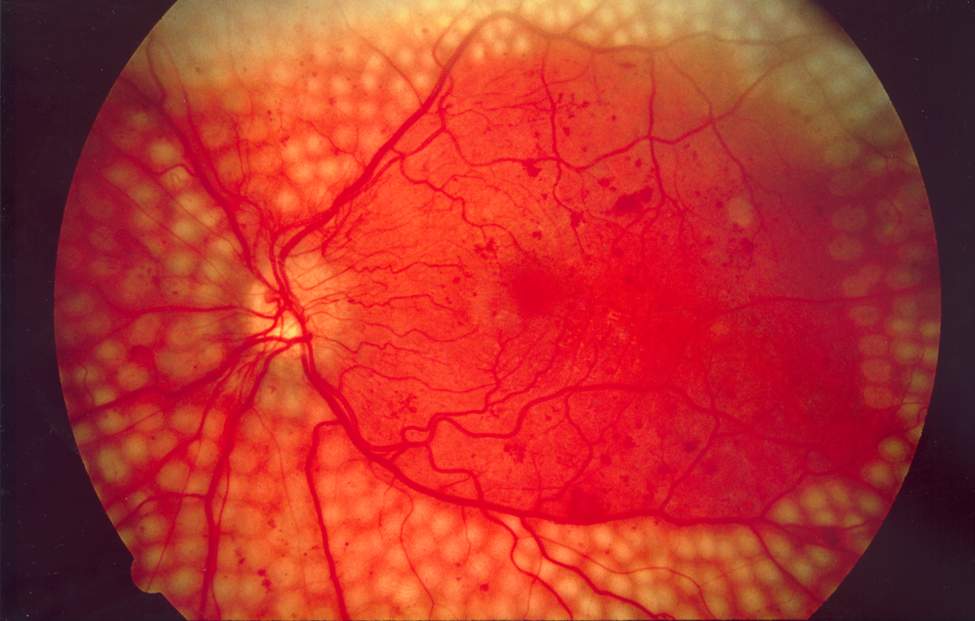
We photograph and analyze your optic nerve head at every exam, tracking subtle changes over time that may indicate progression.
Corneal Thickness (Pachymetry)
Thin corneas are an independent risk factor for glaucoma and also affect the accuracy of IOP readings.
Glaucoma Treatment Options
If glaucoma is detected, the goal of treatment is to lower intraocular pressure to a level that prevents further optic nerve damage. Treatment options include:
Prescription Eye Drops
The most common first-line treatment. We carefully select the right drop based on your IOP, systemic health, and lifestyle — and monitor for side effects and compliance.
Laser Therapy (SLT)
Selective Laser Trabeculoplasty is a safe, effective in-office procedure that improves drainage of aqueous humor from the eye. We co-manage SLT with our trusted ophthalmology partners.
Surgical Co-Management
For patients who need incisional surgery (trabeculectomy, tube shunt, or MIGS procedures), we provide pre- and post-operative co-management with leading ophthalmologists in the Philadelphia area.
How Often Should You Be Screened?
- •Low risk adults under 40: every 2–4 years
- •Adults 40–54: every 1–3 years
- •Adults 55–64: every 1–2 years
- •Adults 65+: every 6–12 months
- •High-risk patients: every 6 months or as directed
Schedule Your Glaucoma Screening in Blue Bell, PA
Don't wait for symptoms — glaucoma doesn't give you warning signs. Call ProVision Eye Associates at (215) 628-2020 or schedule online. We serve patients from Blue Bell, Ambler, North Wales, Lansdale, Montgomeryville, Plymouth Meeting, and throughout Montgomery County, PA.