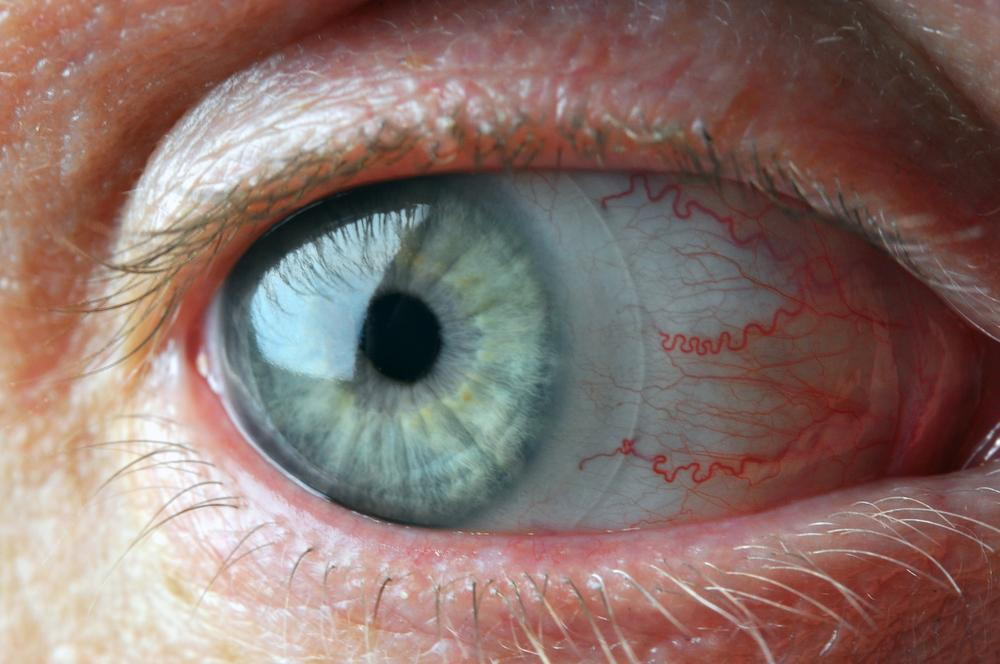

Americans spend an average of 7+ hours per day on screens — and it's taking a serious toll on eye health. Learn why screens cause dry eye and what ProVision Eye Associates recommends.
The Screen Time Epidemic and Your Eyes
The average American adult now spends more than 7 hours per day looking at screens — computers, smartphones, tablets, and televisions. For many professionals and students, that number is significantly higher. And our eyes are paying the price.
Digital eye strain (also called computer vision syndrome) and dry eye disease have both increased dramatically over the past decade, and screen time is a primary driver. At ProVision Eye Associates in Blue Bell, PA, we see the effects of this every day in our patients.
Why Screens Cause Dry Eye
Reduced Blink Rate
When we look at screens, we blink significantly less than normal — dropping from a natural rate of 15–20 blinks per minute to as few as 5–7 blinks per minute. Each blink spreads a fresh layer of tears across the eye surface. Fewer blinks means faster tear evaporation and a less stable tear film.
Incomplete Blinks
Even when we do blink while using screens, studies show that many of those blinks are incomplete — the upper eyelid doesn't fully meet the lower lid. This means the meibomian glands in the lower lid aren't being expressed properly, gradually leading to gland dysfunction.
Screen Position and Exposure
Looking up at a screen (common with desktop monitors) increases the exposed surface area of the eye, accelerating evaporation. The ideal screen position is slightly below eye level.
Blue Light and Circadian Disruption
While blue light from screens doesn't directly cause dry eye, it disrupts sleep patterns — and poor sleep is associated with reduced tear production and increased ocular surface inflammation.
Air Quality
Most offices and homes have low humidity environments, especially with HVAC systems running. This accelerates tear evaporation and worsens dry eye symptoms.
Symptoms to Watch For
- •Burning, stinging, or gritty sensation during or after screen use
- •Blurred or fluctuating vision that improves with blinking
- •Eye fatigue or heaviness after prolonged screen time
- •Headaches, especially at the end of the workday
- •Increased sensitivity to light
- •Difficulty focusing between near and far distances
What You Can Do Right Now
The 20-20-20 Rule
Every 20 minutes, look at something 20 feet away for 20 seconds. This gives your ciliary muscles a break and encourages a full blink cycle.
Conscious Blinking
Remind yourself to blink fully and completely, especially during video calls and focused screen work.
Optimize Your Workspace
- •Position your screen slightly below eye level
- •Reduce glare with anti-reflective screen filters or glasses coatings
- •Use a humidifier in dry office environments
- •Ensure adequate (but not harsh) ambient lighting
Lubricating Eye Drops
Preservative-free artificial tears used proactively (before symptoms start) are more effective than waiting until your eyes are uncomfortable. We can recommend the right drops for your situation.
When Home Remedies Aren't Enough
If your symptoms persist despite these measures, you may have meibomian gland dysfunction — a structural problem with the oil-producing glands in your eyelids that requires professional treatment.
At ProVision Eye Associates, we offer:
- •Meibomian gland imaging to assess gland health and function
- •IPL OptiLight therapy — the only FDA-approved IPL for dry eye
- •Forma-I radiofrequency therapy — restores gland function with gentle heat
- •Celluma LLLT — reduces inflammation and supports gland healing
- •Prescription dry eye medications (Restasis, Xiidra, Tyrvaya)
Schedule a Dry Eye Evaluation in Blue Bell, PA
Don't accept screen-related eye discomfort as inevitable. Call ProVision Eye Associates at (215) 628-2020 or schedule online. We serve patients from Blue Bell, Ambler, North Wales, Lansdale, Montgomeryville, Plymouth Meeting, and throughout Montgomery County, PA.