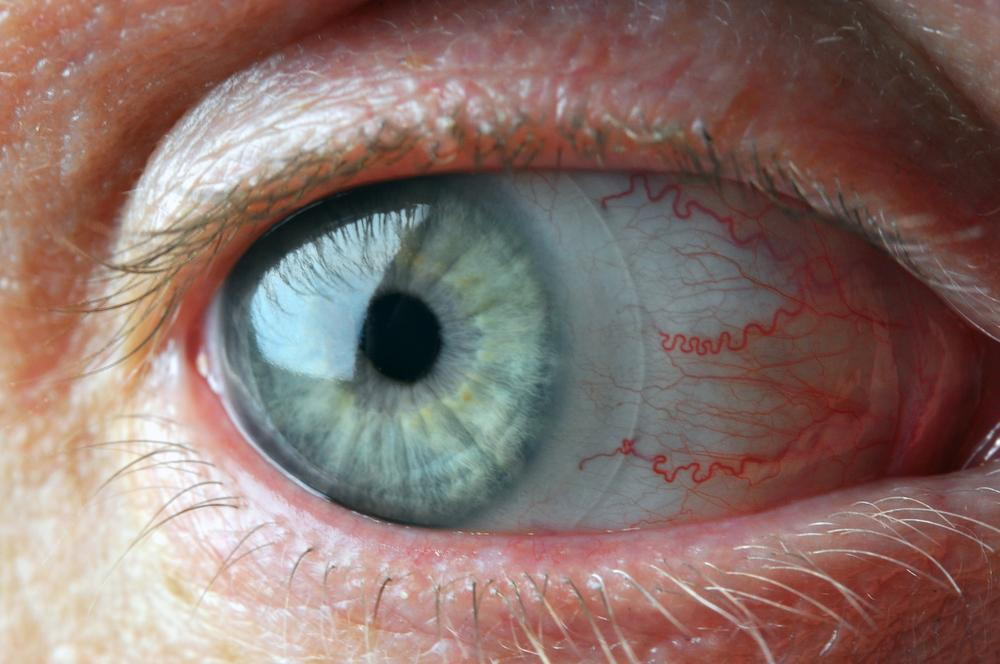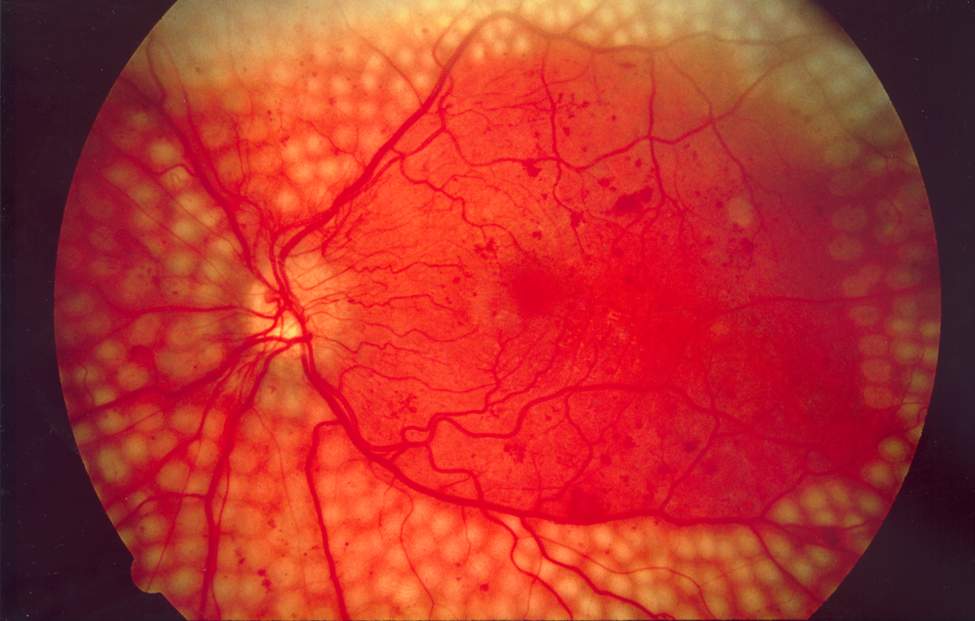

If you've been diagnosed with cataracts, your optometrist plays a critical role before and after surgery. Learn how ProVision Eye Associates co-manages cataract surgery patients in Blue Bell, PA.
What Is Cataract Surgery Co-Management?
Cataract surgery co-management is a collaborative care model in which your optometrist (OD) and a cataract surgeon (ophthalmologist) work together to provide seamless care before and after your procedure. At ProVision Eye Associates in Blue Bell, PA, we serve as your primary eye care provider throughout the cataract journey — from initial diagnosis and surgical referral through post-operative monitoring and long-term follow-up.
Understanding Cataracts
A cataract is a clouding of the eye's natural crystalline lens. As proteins in the lens break down with age, they clump together and create cloudy areas that scatter and block light. More than 24 million Americans over age 40 have cataracts, and more than 3 million cataract surgeries are performed each year.
Common symptoms include:
- •Blurry, cloudy, or dim vision
- •Increased sensitivity to glare and halos around lights
- •Fading or yellowing of colors
- •Double vision in one eye
- •Frequent changes in eyeglass prescription
The Co-Management Process at ProVision
Step 1 — Diagnosis and Monitoring: Cataracts are detected during a comprehensive dilated eye exam. We use slit-lamp biomicroscopy to grade cataract density and monitor progression at each annual exam.
Step 2 — Surgical Referral: When cataracts significantly interfere with daily activities, we refer patients to experienced, board-certified cataract surgeons in Montgomery County with whom we have established co-management relationships.
Step 3 — IOL Selection Counseling: Modern cataract surgery offers a range of intraocular lens options:
- •Monofocal IOLs — Corrects vision at one distance; reading glasses required
- •Toric IOLs — Corrects astigmatism in addition to distance vision
- •Multifocal / EDOF IOLs — Reduces dependence on glasses at multiple distances
- •Light Adjustable Lenses (LAL) — IOL power can be fine-tuned after surgery
Step 4 — Post-Operative Care: Following surgery, most of your post-operative visits take place at ProVision. We monitor healing, check IOP, assess IOL position, and manage any post-operative inflammation.
Step 5 — Final Refraction: Once fully healed (4–6 weeks post-surgery), we perform a final refraction and prescribe any needed glasses for residual correction.
Dry Eye and Cataracts
Dry eye disease is extremely common in cataract patients and can significantly affect surgical outcomes. Ocular surface disease can cause inaccurate pre-operative measurements, leading to IOL power errors. At ProVision, we screen all pre-operative cataract patients for dry eye and treat it aggressively before surgery — improving both measurement accuracy and post-operative comfort.
If you have been told you have cataracts, or are experiencing any symptoms described above, schedule a comprehensive cataract evaluation at ProVision Eye Associates in Blue Bell, PA. We serve patients from Blue Bell, Lansdale, Ambler, Horsham, North Wales, Montgomeryville, and throughout Montgomery County.